In packaging quality control across the food, pharmaceutical, and medical device industries, the leak and seal strength tester—also known as a positive pressure seal tester—is rapidly evolving from a "nice-to-have" instrument to an essential component of quality assurance systems. Yet a significant number of manufacturers worldwide still rely on subjective manual methods such as hand-peel testing or the underwater bubble immersion technique to assess package seal integrity. These qualitative approaches—"by feel and by bubbles"—are increasingly inadequate in the face of tightening regulatory requirements, rising customer expectations, and costly product recall risks.
Before examining the technical advantages of positive pressure seal testers, it is essential to understand why traditional methods fall short:
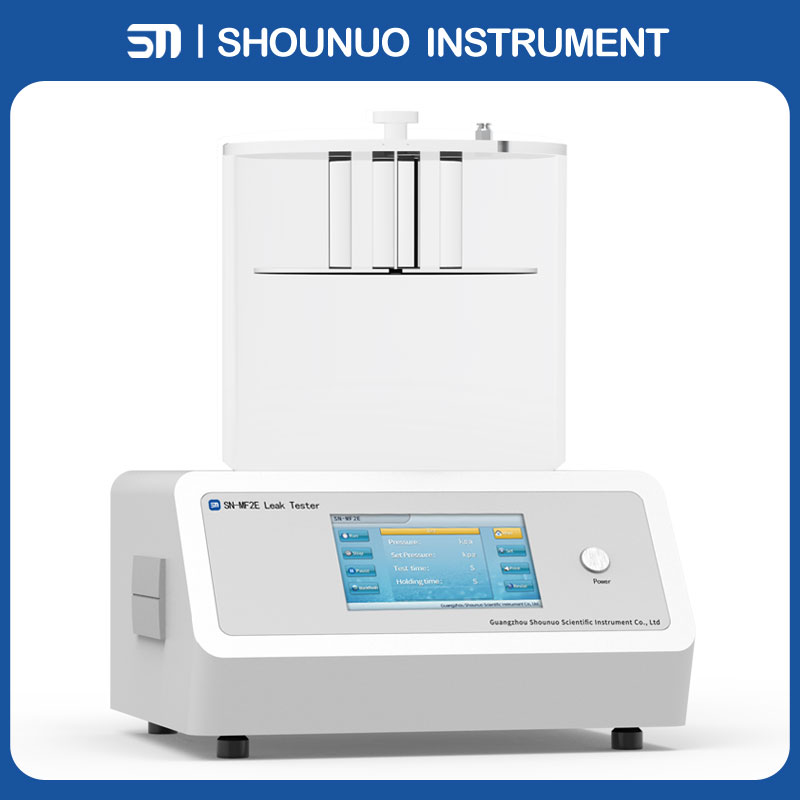
The fundamental issue is this: qualitative testing cannot answer the essential questions—"How much pressure can this package actually withstand?" and "Is the seal strength sufficient to survive the entire shelf life under real distribution and storage conditions?"
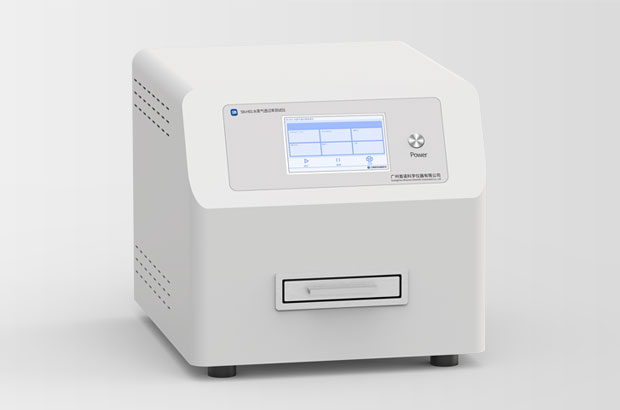
The positive pressure seal tester operates on a fundamentally different principle. It employs the positive internal pressurization method—introducing clean compressed air into the package or container and applying pressure at a programmable rate (typically 0.1–100 kPa/s) while capturing a real-time pressure-time curve. This approach enables not only leak detection but also comprehensive strength characterization through multiple test modes:
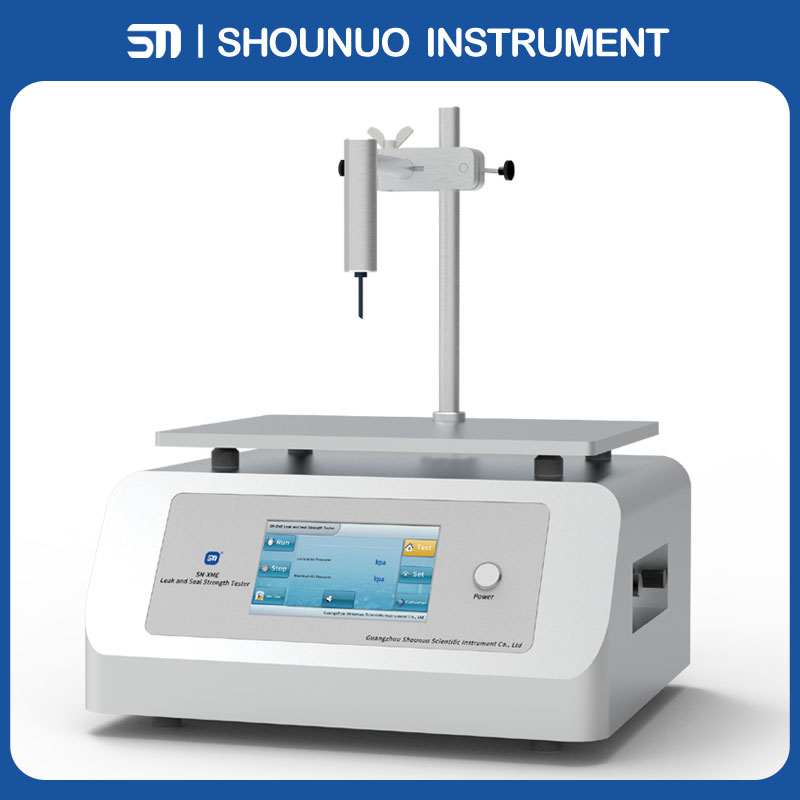
This technological advancement represents a fundamental shift: packaging seal integrity is transformed from a binary "leak or no leak" judgment into a quantitative analysis of "how strong and how long."
In real-world applications, flexible packaging is rarely subjected to static conditions. Instead, it must withstand dynamic and combined stresses: stacking during transportation, high-temperature sterilization cycles, warehouse compression, and vibration during transit. Burst pressure reflects the ultimate strength limit of the seal or material—the "hard metric" of seal quality. Creep testing, on the other hand, reveals the seal's resistance to stress relaxation under sustained load. A package may pass a quick burst test yet fail gradually under prolonged constant pressure—a quality gap that traditional instantaneous rupture tests simply cannot address.
For manufacturers exporting to regulated markets, compliance with international standards is not optional—it is a market access requirement.
ASTM F1140 is the standard test method for internal pressurization failure resistance of unrestrained packages. It defines both the burst test (increasingly pressurizing the package until failure) and the creep test (maintaining a specified pressure for a specified time or until failure). This standard is widely used to evaluate seal strength in flexible medical packaging and to support ISO 11607 validation.
ASTM F2095 covers pressure decay leak testing for flexible packages with and without restraining plates. It provides a rapid method to detect small leaks in nonporous film, foil, or laminate flexible pouches. The test can detect leaks at rates of 1 × 10⁻⁴ sccs or greater. Test Method B allows the use of rigid restraining plates to limit package volume and stabilize test conditions.
ISO 11607—the primary international standard for sterile medical device packaging—requires both seal strength and seal integrity to be demonstrated for the sterile barrier system. Seal strength can be established through tensile testing (ASTM F88) or burst/creep testing (ASTM F1140). Importantly, passing a strength test does not satisfy the integrity requirement—integrity must be tested separately. For most Class II/III sterile devices, a complete packaging validation runs seal strength and seal integrity testing together.
ASTM F2054 addresses burst testing of flexible package seals using internal air pressurization within restraining plates—complementing ASTM F1140 for restrained configurations.
When evaluating leak and seal strength testers for your quality control laboratory, consider the following critical dimensions:
| Selection Criterion | Recommendation |
| Pressure Range | Flexible packaging: 0–600 kPa (0–87 psi) for optimal resolution; High-strength containers: optional 0–1.6 MPa (0–232 psi) |
| Standards Compliance | Medical/pharmaceutical: ASTM F1140, ASTM F2054, ISO 11607-1/-2; Food packaging: relevant regional standards |
| Test Modes | Prioritize instruments supporting burst, creep, creep-to-failure, and pressure decay leak test modes for full-spectrum coverage from R&D to QC release |
| Data Traceability | Automatic data storage, real-time curve display, Excel/PDF export capabilities—essential for GMP compliance and audit readiness |
| Restraining Plate Options | For packages that require volume stabilization during testing, ensure the instrument supports both unrestrained (ASTM F1140) and restrained (ASTM F2054) configurations |
European Union: Medical device packaging must comply with MDR (EU) 2017/745, which references ISO 11607 as the harmonized standard for sterile barrier systems. Food contact materials must meet Regulation (EC) No 1935/2004 and subsequent amendments.
United States: The FDA recognizes ISO 11607 as a consensus standard for terminally sterilized medical device packaging. ASTM standards (F1140, F2095, F2054) are widely cited in FDA pre-market submissions and quality system inspections.
Southeast Asia: ASEAN member states increasingly align with ISO standards through the ASEAN Medical Device Directive (AMDD). Food packaging regulations vary by country but generally reference Codex Alimentarius and ISO standards.
Middle East: GCC countries reference ISO standards for both medical device and food packaging. Saudi FDA (SFDA) and UAE Ministry of Health and Prevention requirements align closely with international norms.
From "by feel" to "by data"—from qualitative judgment to quantitative analysis—the leak and seal strength tester (positive pressure seal tester) represents not merely an equipment upgrade but a fundamental evolution in packaging quality control philosophy. In an era of heightened consumer awareness, increasingly stringent regulations, and global supply chain complexity, integrating burst pressure and creep testing into routine quality control procedures is no longer a "nice-to-have" differentiator—it is a competitive necessity for manufacturers seeking to protect brand reputation, ensure patient and consumer safety, and maintain regulatory compliance across global markets.
Previous article:This is already the first article
Next article:Bursting Strength Tester – Prevent Package Rupture & Reduce Losses
BackScan
Add WhatsApp
Email
info@snlabtester.com
Business Inquiry
+86 13316049470
Free Hotline
+86 020-26221916