On August 1, 2025, GB/T 15171-2025 "Test method for seal performance of packaging" was officially released and will be fully implemented on February 1, 2026, replacing the thirty-year-old GB/T 15171-1994 "Test method for seal performance of flexible packaging". The core change of the new standard is the expansion of its scope from flexible packaging only to flexible, semi-rigid, and rigid packaging of all categories, along with the introduction of the vacuum decay method, marking the transition of packaging integrity testing from "qualitative judgment" to a new stage that values both qualitative and quantitative approaches.
The specimen is placed in a vacuum chamber filled with test water and evacuated to create a pressure difference between the interior and exterior of the specimen. The escape of gas from the specimen or the infiltration of water into the specimen is observed to determine seal performance. This method is applicable to seal performance testing of packaging where water does not significantly affect the outer layer of the packaging.
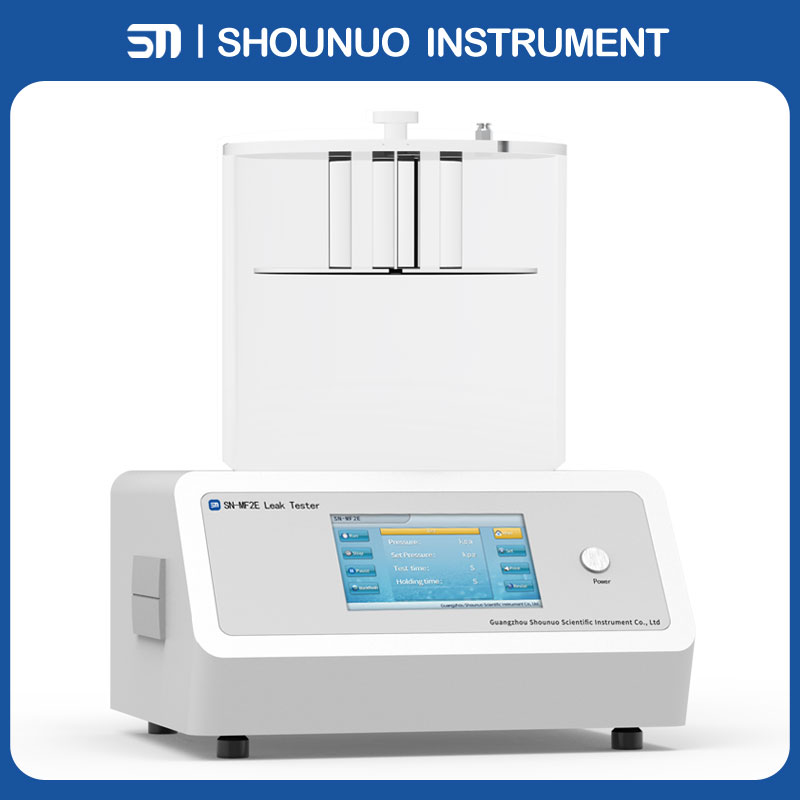
For result determination, the specimen is considered qualified if no continuous bubbles are generated during vacuum evacuation and pressure holding, and no water infiltration is found upon opening (when applicable). An isolated single bubble is generally considered residual gas in the test water and is not regarded as a leak.
The underwater bubble method offers advantages such as simple equipment, intuitive operation, and accurate leak point location, but it relies on visual observation, has insufficient sensitivity for micron-level leaks, and can only provide qualitative conclusions.
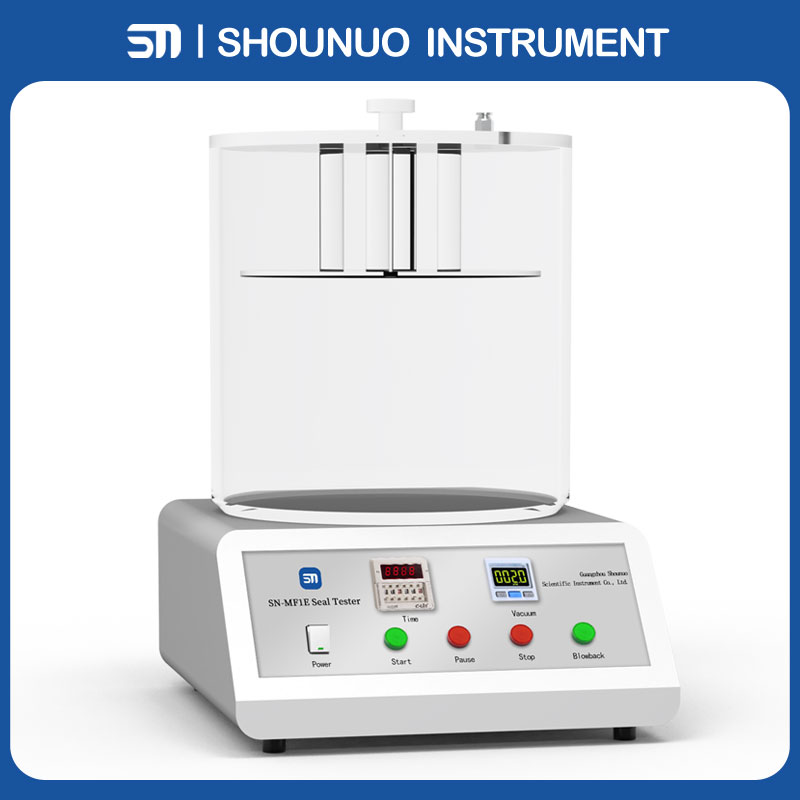
The specimen is placed in a test chamber and evacuated. A high-precision pressure sensor monitors changes in vacuum degree within the test chamber to determine seal performance. This method is applicable to seal performance testing of various non-vacuum packaging, including flexible and rigid packaging.
Test results are expressed as "vacuum decay rate" in Pa/s, calculated using the formula Q = (P1 - P2)/T. This method references ASTM F2338-24 and has been previously adopted by the domestic pharmaceutical industry standard YY/T 0681.18-2020.
Core advantages include non-destructive testing, quantitative output, high sensitivity (capable of detecting leak channels of 3μm and above, with some instruments reaching 1μm), and objective and efficient operation.
A packaging seal tester that supports both methods can cover the full range of scenarios from routine sampling inspection to micro-leak monitoring.
A seal tester conforming to the new standard must meet the following requirements:
The standard configuration of the vacuum chamber is typically Φ270mm×210mm (H), with custom sizes available upon request.
| Dimension | Underwater Bubble Method | Vacuum Decay Method |
| Result format | Qualitative (leak/no leak) | Quantitative (Pa/s) |
| Sensitivity | Low, dependent on visual observation | High, up to μm level |
| Test method | Semi-destructive | Non-destructive |
| Equipment cost | Low | Relatively high |
| Application scenarios | Routine sampling inspection, gross leak screening | High-value products, micro-leak monitoring |
GB/T 15171-2025, through the introduction of the vacuum decay method, effectively addresses the technical pain points of the old standard, such as insufficient quantification and strong subjectivity in test results. The implementation of the new standard will significantly improve the packaging quality control level in multiple fields including food, pharmaceuticals, and medical devices.
For relevant enterprises, assessing whether existing seal testers meet the requirements of the new standard and establishing testing procedures aligned with it are tasks that need to be completed before the official implementation date of February 1, 2026. Enterprises currently building new testing capabilities are advised to directly configure equipment that supports both methods, reserving room for future upgrades.
The standard update is not the end point. The core lies in selecting the appropriate method based on product characteristics and quality requirements, and establishing a scientific and effective packaging integrity testing system. Methods themselves do not become outdated; what matters is how and where they are applied.
Sunuo Plastic Film Tensile Tester Series – Comparison Guide
29.07.2026
ASTM F1249 WVTR Tester Guide | Water Vapor Permeation Testing
27.07.2026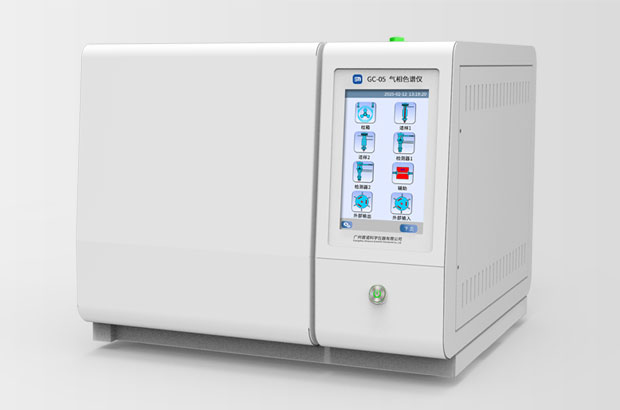
Gas Chromatograph for Packaging Solvent Residue GC-05/GC-06
23.07.2026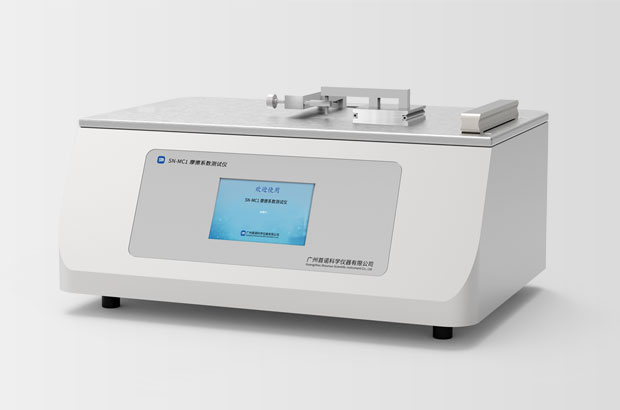
COF Tester For Plastic Film | Solve Sticky & Slippery Film Issues on Packaging Lines
20.07.2026Scan
Add WhatsApp
Email
info@snlabtester.com
Business Inquiry
+86 13316049470
Free Hotline
+86 020-26221916