In the quality control systems for flexible packaging and pharmaceutical packaging, the leak and seal strength tester and the seal tester are often confused. Although both belong to the category of package seal integrity testing equipment, they differ fundamentally in test principle, data output, and application scenarios. Clarifying these technical distinctions is the prerequisite for making a scientifically sound selection.
Seal testers generally adopt the vacuum decay method (negative pressure method) as their core technical approach. The finished package is placed in a sealed test chamber and evacuated, creating a pressure gradient between the inside and outside of the package. If the package has a through‑defect, internal gas will escape under the differential pressure. By observing continuous bubble release from the submerged sample or monitoring the vacuum decay rate, the tester makes a pass/fail judgment on package integrity.
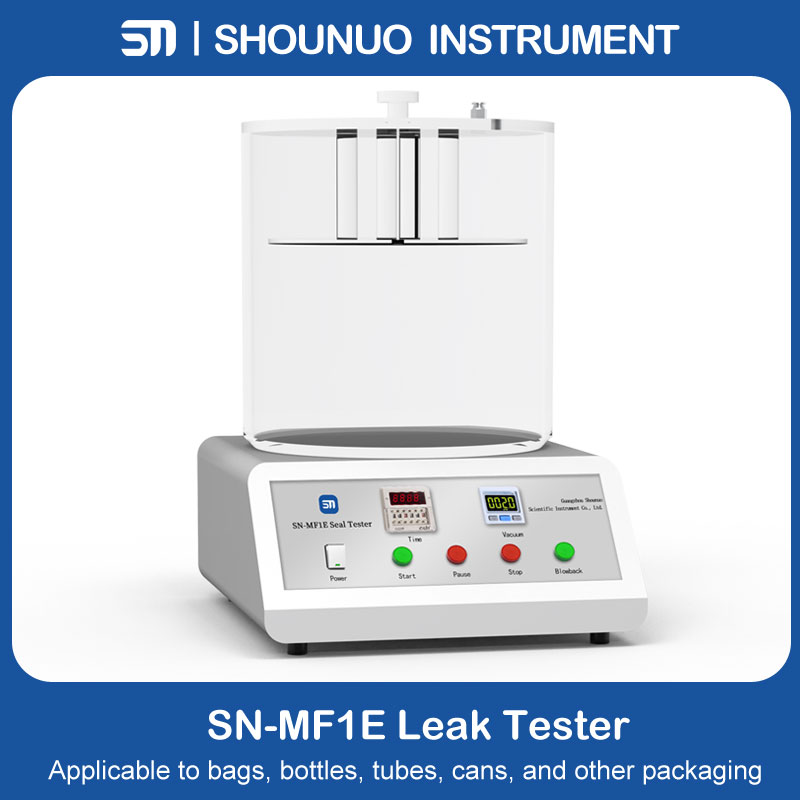
Advantages of this method include standardized operating procedures, controllable per‑test cost, and compliance with common standards such as GB/T 15171 and ASTM D3078. Its limitations are equally clear: the test results are qualitative in nature – they do not quantify the leak rate or the specific seal strength value. When a leak is detected, the operator cannot determine the severity of the defect, nor can they trace it back to whether it was caused by heat‑seal temperature deviation, material thickness variation, or other process variables.
The leak and seal strength tester features a more sophisticated technical architecture, generally employing the positive pressure method as its core testing logic. Compressed gas is introduced into the package interior (or into a closed space formed by the package and a fixture), raising the internal pressure at a programmed rate until the package deforms or bursts. The instrument records a real‑time pressure‑time curve, precisely capturing critical physical parameters such as burst peak pressure, creep rate, and creep‑to‑failure data.
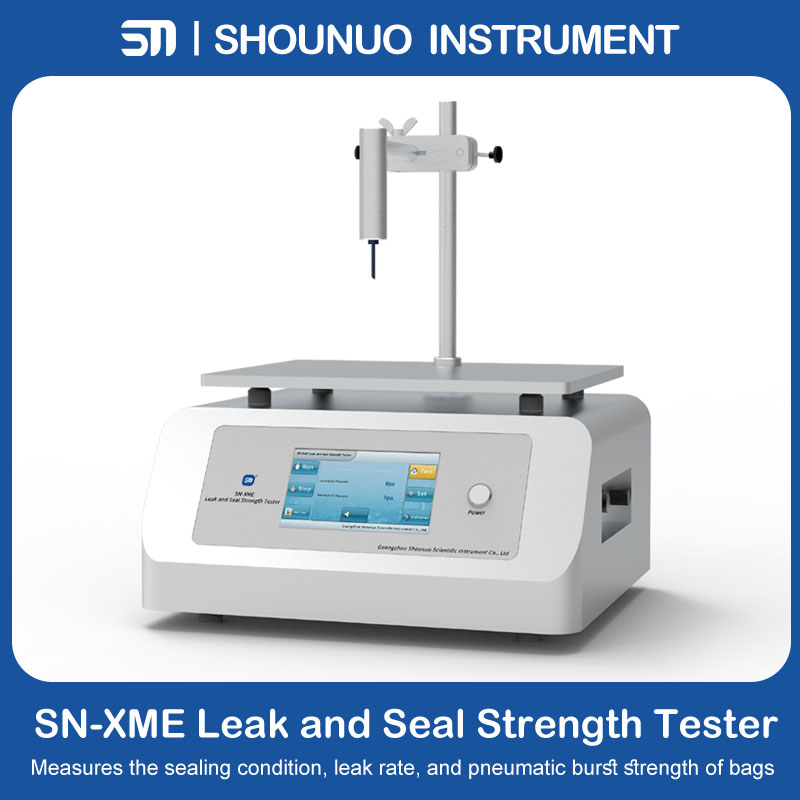
The quantitative data output from these modes forms an irreplaceable basis for decision‑making in process validation, batch‑to‑batch consistency evaluation, supplier quality audits, and root‑cause analysis of customer complaints. Its technical foundation covers standards including GB/T 10440, ASTM F1140, ASTM F2054, and ISO 11607.
The core differences center on test principle and output data type:
The former lacks quantitative traceability; the latter provides full data recording and trend analysis capabilities.
The selection decision depends on a precise definition of your testing needs:
If your task only requires answering the binary question “Does the package leak?” – a seal tester is sufficient.
If you need to answer quantitative questions such as “Is the seal strength within specification?”, “Is batch‑to‑batch variation controllable?”, or “How does leak rate affect shelf life?” – a leak and seal strength tester is essential.
For pharmaceutical and medical device packaging, validation testing must comply with YBB standards and ISO 11607 – in such scenarios, positive‑pressure equipment is often a mandatory requirement for regulatory compliance.
However, for complex configurations such as bottle cap seal integrity, closure fit between cap and bottle, tube tail seal strength, and blister pack seal integrity, the leak and seal strength tester – with its diverse fixture systems and programmable test modes – offers far greater adaptability.
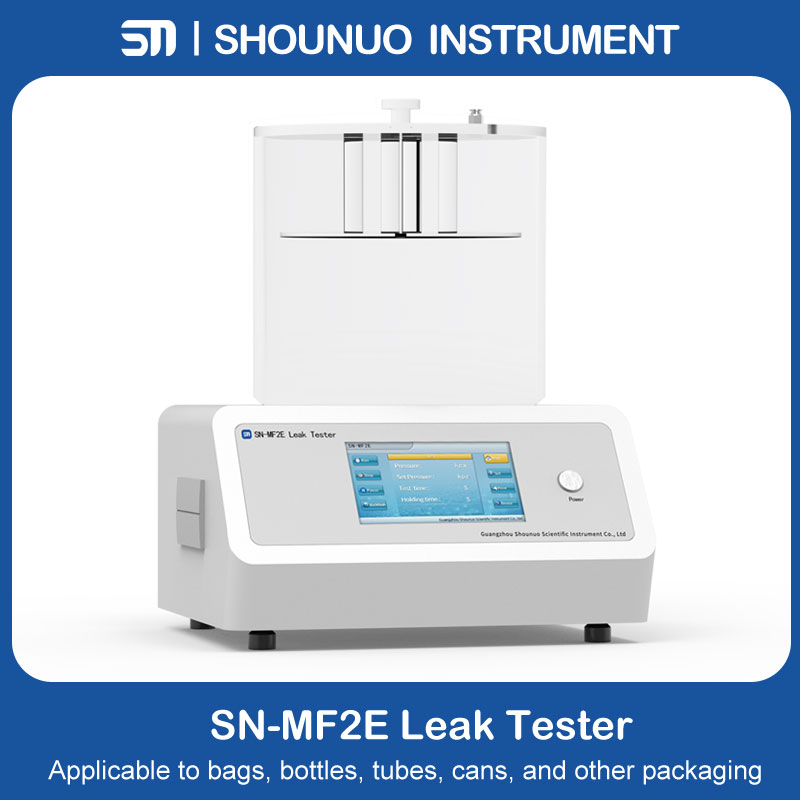
A frequently overlooked detail in selection is the match between the sensor range and the sample’s actual burst pressure. Taking a typical flexible pouch as an example, its burst pressure is usually around 300 kPa. Choosing a sensor with a 600 kPa range provides higher resolution and more accurate readings. If you select a 1.6 MPa range model instead, the raw data resolution decreases significantly, impairing your ability to detect small process fluctuations.
The seal tester and the leak and seal strength tester are not substitutes – they correspond to different levels of quality control. The former performs low‑cost, high‑efficiency daily screening and serves as the frontline sentinel of quality assurance. The latter provides in‑depth quantitative analysis to support process optimization and compliance validation, acting as the backbone instrument of the quality system.
Ultimately, selection should be based on product risk level, customer quality requirements, and regulatory compliance needs – avoid making decisions purely on price or brand without considering your actual testing demands.
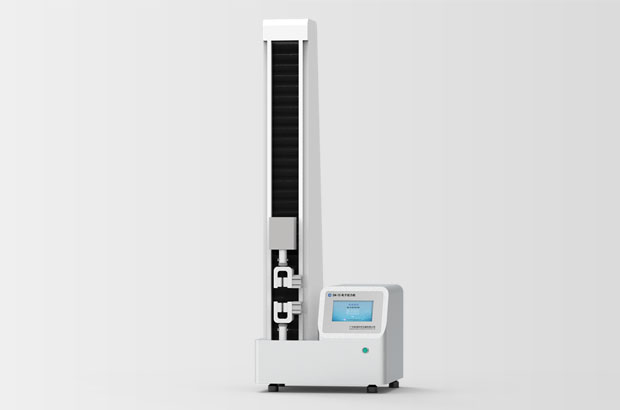
Sunuo Plastic Film Tensile Tester Series – Comparison Guide
29.07.2026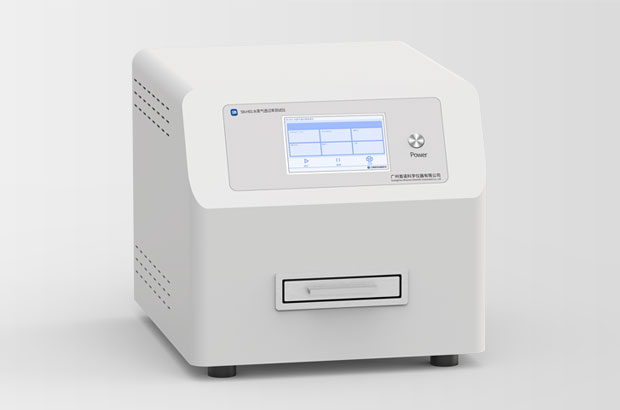
ASTM F1249 WVTR Tester Guide | Water Vapor Permeation Testing
27.07.2026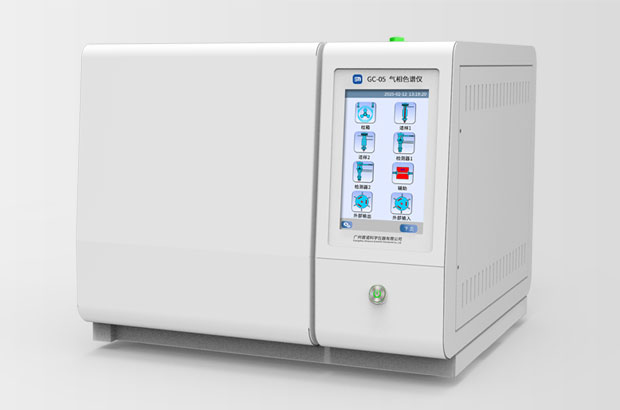
Gas Chromatograph for Packaging Solvent Residue GC-05/GC-06
23.07.2026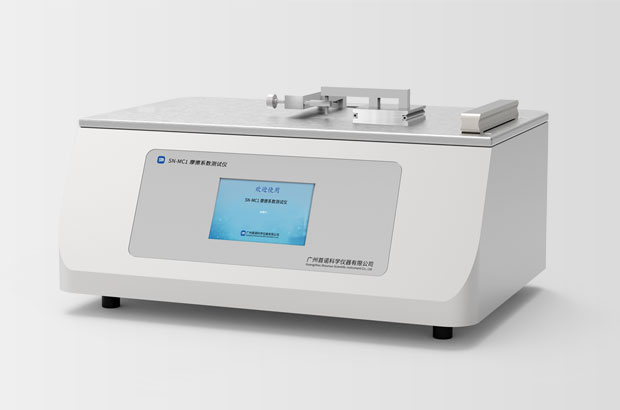
COF Tester For Plastic Film | Solve Sticky & Slippery Film Issues on Packaging Lines
20.07.2026Scan
Add WhatsApp
Email
info@snlabtester.com
Business Inquiry
+86 13316049470
Free Hotline
+86 020-26221916